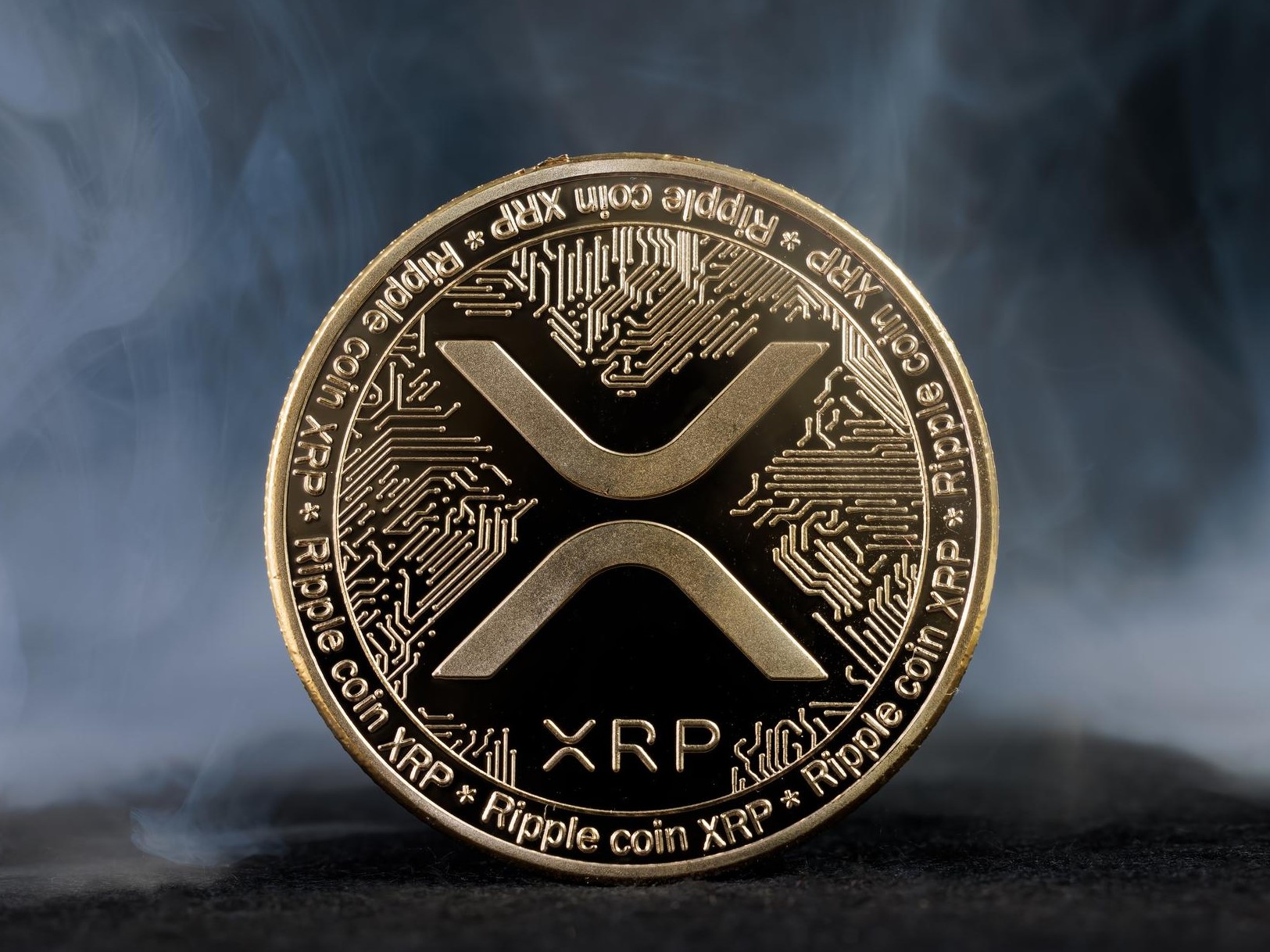

What is the role of ripple in cross-border payments

What is the role of ripple in cross-border payments

Cross-border payments have long been plagued by inefficiencies, high costs, and lengthy settlement times. Traditional banking systems often require multiple intermediaries, leading to delays that can stretch from days to weeks. In this complex landscape, Ripple has emerged as a revolutionary force, leveraging blockchain technology to transform how money moves across international borders.


The future of digital assets

The future of digital assets

The digital assets landscape has undergone a remarkable transformation, with total market capitalization surging beyond $4 trillion, marking the sector's evolution from a speculative playground to a legitimate institutional asset class. This meteoric rise represents more than just numerical growth; it signifies a fundamental shift in how traditional finance views and integrates blockchain-based technologies.

Crypto exchanges and trading basics

Crypto exchanges and trading basics

The global cryptocurrency market has exploded beyond $1 trillion in value, yet accessing this digital economy remains surprisingly straightforward for beginners. Modern crypto exchanges serve as the primary gateway for millions of traders worldwide, offering everything from simple buy-and-sell functionality to sophisticated trading instruments that rival traditional financial markets.

Common myths about XRP

Common myths about XRP

XRP, the digital asset associated with Ripple Labs, has become one of the most controversial cryptocurrencies in the market. Since its inception, numerous misconceptions and myths have surrounded this digital currency, often fueled by heated debates within the crypto community and regulatory uncertainties. These myths have significantly influenced public perception and investment decisions, sometimes leading to misguided conclusions about XRP's technology, purpose, and potential.

Why is xrp not moving

Why is xrp not moving

XRP continues to frustrate investors as it trades within a persistent range of $1.40 to $2.19, defying the broader crypto market's momentum and leaving many wondering why this once-explosive asset has lost its spark. The stagnation stems from a perfect storm of technical consolidation patterns, ongoing regulatory uncertainty, and a fundamental disconnect between adoption metrics and price action.